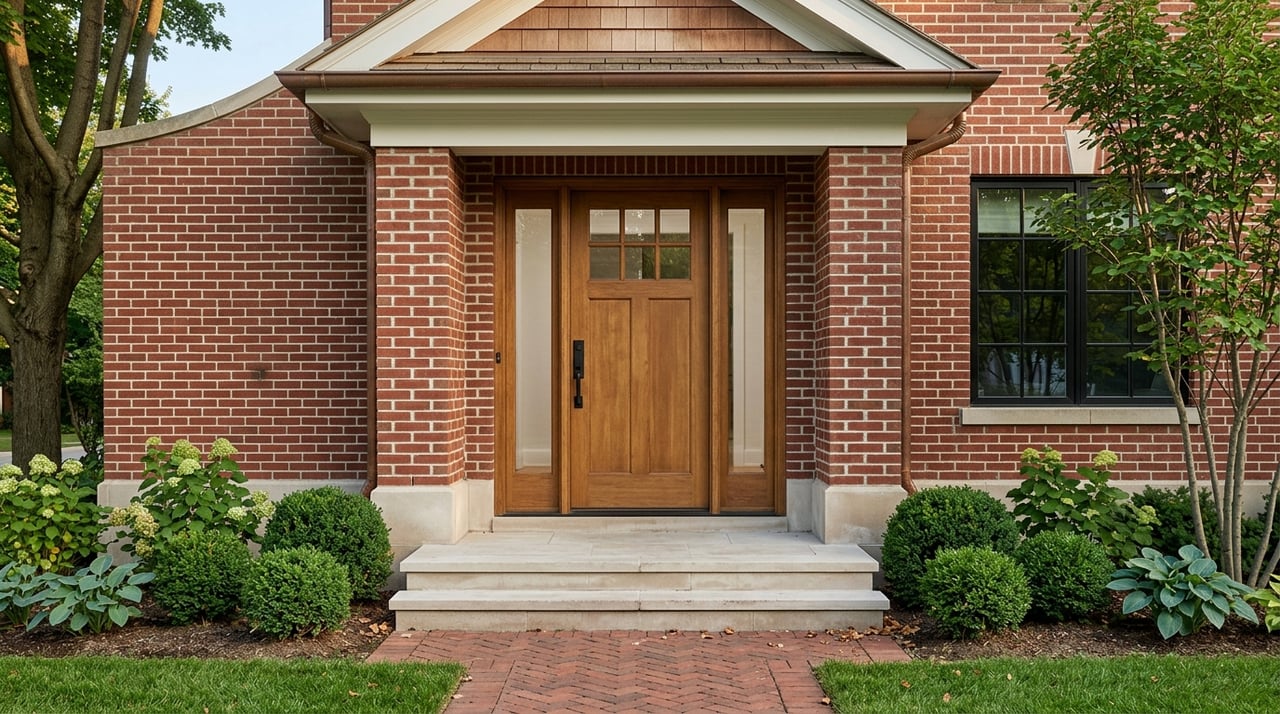
Trying to choose between a character-filled older home and a polished new build in Hinsdale? You are not alone. In a market known for premium single-family homes, both options can be compelling, but they offer very different day-to-day living experiences. This guide will help you weigh charm, layout, maintenance, efficiency, and resale considerations so you can decide what fits your goals best. Let’s dive in.
Hinsdale Offers Both Character and Scale
Hinsdale stands out as a primarily single-family market, with CMAP estimating that 81.9% of housing units are detached single-family homes and 89.9% are owner-occupied. The housing stock also reflects real variety in age, with 15.8% of homes built before 1940 and 11.5% built in 2010 or later. That mix is a big reason buyers here often find themselves comparing historic charm with newer construction.
The village also tends to offer larger homes than many nearby suburban markets. CMAP reports a median of 10 rooms per unit, and 34.8% of homes have five or more bedrooms. If you need space for work, guests, hobbies, or multigenerational living, you will likely find strong options in both categories.
Price and pace matter too. Recent Redfin data places the median sale price around $1.61 million, with a median of 48 days on market. In a premium market like this, choosing the right home is not just about style. It is also about finding the best long-term fit for how you want to live.
What Historic Charm Means in Hinsdale
Hinsdale has a strong preservation identity, and that shapes how older homes are viewed and valued. The Downtown Hinsdale Historic District and the Robbins Park Historic District are both listed on the National Register, and the village’s preservation code is designed to protect historic resources, community character, and property values. That local commitment helps explain why older homes remain such an important part of Hinsdale’s appeal.
You will see a wide range of architectural styles in Hinsdale’s older housing stock. Some of the clearest local examples include Queen Anne, Colonial Revival, Tudor Revival, Prairie, and Craftsman. You may also come across Shingle Style, Romanesque Revival, French Eclectic, Italian Renaissance, and Ranch homes.
What does that mean for daily life? Older homes often offer original millwork, distinctive facades, formal living and dining rooms, and more separation between spaces. In practical terms, that can feel elegant and memorable, especially if you value architectural detail over a fully open floor plan.
What New Construction Usually Offers
Newer homes tend to appeal to buyers who want modern function from day one. In general, new-home layouts often include more open spaces, more connected rooms, and a flow that fits how many households live today. Higher ceilings and more windows are also common features in newer construction.
Another major draw is the reduced need for immediate updates. Many buyers like the idea of moving into a home with current finishes, newer systems, and less near-term maintenance pressure. The value proposition is usually less about historic personality and more about convenience, efficiency, and everyday ease.
Energy performance is another point in favor of newer homes. ENERGY STAR notes that certified new homes and apartments must undergo third-party inspections and testing, which makes certification a meaningful quality signal. That said, actual performance still depends on the builder, home size, and systems.
Why New Construction Feels Scarcer in Hinsdale
In Hinsdale, true new construction is a smaller slice of the housing stock than many buyers expect. CMAP estimates that 11.5% of homes were built in 2010 or later, compared with 15.8% built before 1940. That does not mean newer homes are impossible to find, but it does mean they are a more limited part of the local inventory.
Because newer homes are less common, context matters. Buyers often look closely at how a newer house fits its block, scale, and architectural surroundings. In a village with a strong sense of identity, the best new construction usually feels thoughtfully placed rather than out of step with the streetscape.
This can matter even more in areas with historic oversight. In Robbins Park, even new residence construction can trigger local certificate-of-appropriateness review. So if you are considering building or buying newer construction in a historically sensitive area, it is worth understanding the local rules early.
Historic Homes and Practical Tradeoffs
A historic or older home can offer beauty that is hard to replicate, but it may come with more maintenance questions. If a home was built before 1978, lead-based paint may be present, and the EPA notes that 87% of homes built before 1940 have some lead-based paint. Asbestos can also appear in some older building materials, including certain floor and ceiling tiles, pipe wrap, and insulation.
Older homes may also have less insulation than homes built today. That does not mean they are poor choices. It does mean you may want to look more closely at energy upgrades, original windows, exterior materials, and whether key systems like electrical, plumbing, and HVAC have been updated over time.
Historic preservation guidance also points out that original materials are not always liabilities. The National Park Service notes that historic windows and doors can often be repaired or upgraded, and that well-maintained historic windows may last longer and perform better than replacements. For many buyers, the right older home is one where character has been preserved while major systems have been thoughtfully improved.
Are Historic Homes Always Protected?
No. In Hinsdale, age alone does not automatically place a home under preservation review. What matters is the property’s designation status.
If a property is a designated landmark, or if it is located in the Robbins Park Historic District, certain exterior changes, demolition, or new residence construction may require a certificate of appropriateness under village code. That is an important distinction because two older homes on different blocks may have very different rules attached to them.
If you are drawn to an older property, this is one of the first items to clarify. It can shape renovation plans, exterior updates, and the timeline for future work.
Resale Value Depends on Execution
In Hinsdale, strong resale is not reserved for one home type. It tends to favor homes that are well maintained, well presented, and aligned with buyer expectations. That applies whether you own a century-old Tudor or a recently built home with a modern layout.
The market supports quality. Recent Redfin data shows a median sale price of $1.61 million, median days on market of 48, and 32.8% of homes selling above list price. In a market like that, thoughtful preparation and condition can make a meaningful difference.
Older homes often win on architectural distinction and one-of-a-kind appeal. Newer homes often win on layout, energy efficiency, and reduced near-term projects. From a resale standpoint, the strongest option is usually the one that feels complete, cared for, and appropriate for its setting.
A Potential Upside for Some Historic Rehabs
There can be a financial upside to certain historic properties beyond charm alone. Illinois offers a Property Tax Assessment Freeze Program for eligible historic, owner-occupied principal residences that undergo sensitive rehabilitation. Hinsdale is listed among the approved local governments for that program.
This benefit is not automatic for every older home, and not every property will qualify. Still, for the right buyer planning a careful rehab, it can be a meaningful consideration when comparing an older home with a newer one.
How to Choose the Right Fit for You
The right choice usually comes down to how you want to live and what tradeoffs you are comfortable making. A historic home may suit you if you value original design, formal room separation, and a sense of place that newer homes rarely duplicate. A newer home may suit you better if you prioritize open living, modern finishes, and fewer immediate projects.
It helps to think through a few practical questions:
- Do you prefer architectural character or turnkey convenience?
- Do you want formal rooms or a more open layout?
- Are you comfortable planning for repairs and updates?
- Would you rather invest in preserving details or enjoy newer systems now?
- If the home is older, does its designation status affect your renovation plans?
In Hinsdale, both paths can be smart. The better choice is the one that fits your lifestyle, timeline, and comfort with maintenance.
If you are weighing historic charm against new construction, local context matters. Street by street and block by block, the details can change how a home lives today and how it may perform over time. That is where measured, local guidance can make the decision much clearer.
If you are thinking about buying or selling in Hinsdale, McCurry Homes can help you evaluate the real tradeoffs, prepare a home for the market, and make your next move with confidence.
FAQs
What styles are common in Hinsdale historic homes?
- Hinsdale’s older homes commonly include Queen Anne, Colonial Revival, Tudor Revival, Prairie, and Craftsman styles, along with several other period styles.
Are all older homes in Hinsdale protected by preservation rules?
- No. Protection depends on the property’s designation status, not simply its age. Designated landmarks and some properties in Robbins Park may be subject to certificate-of-appropriateness requirements.
Is new construction in Hinsdale easier to maintain?
- Often, yes. Newer homes usually offer newer systems, modern layouts, and less immediate updating, though actual maintenance needs still vary by builder, materials, and upkeep.
Are historic Hinsdale homes less energy efficient?
- They can be, especially if they have older insulation or systems, but performance depends on the home’s condition and any updates that have been made over time.
Can a historic home in Hinsdale offer tax benefits?
- Potentially. Illinois has a Property Tax Assessment Freeze Program for eligible historic, owner-occupied homes that undergo qualified rehabilitation, and Hinsdale is an approved local government for the program.
Is new construction common in Hinsdale?
- It is present, but limited compared with the broader housing stock. CMAP estimates 11.5% of homes were built in 2010 or later, so newer options are a smaller part of the market.